
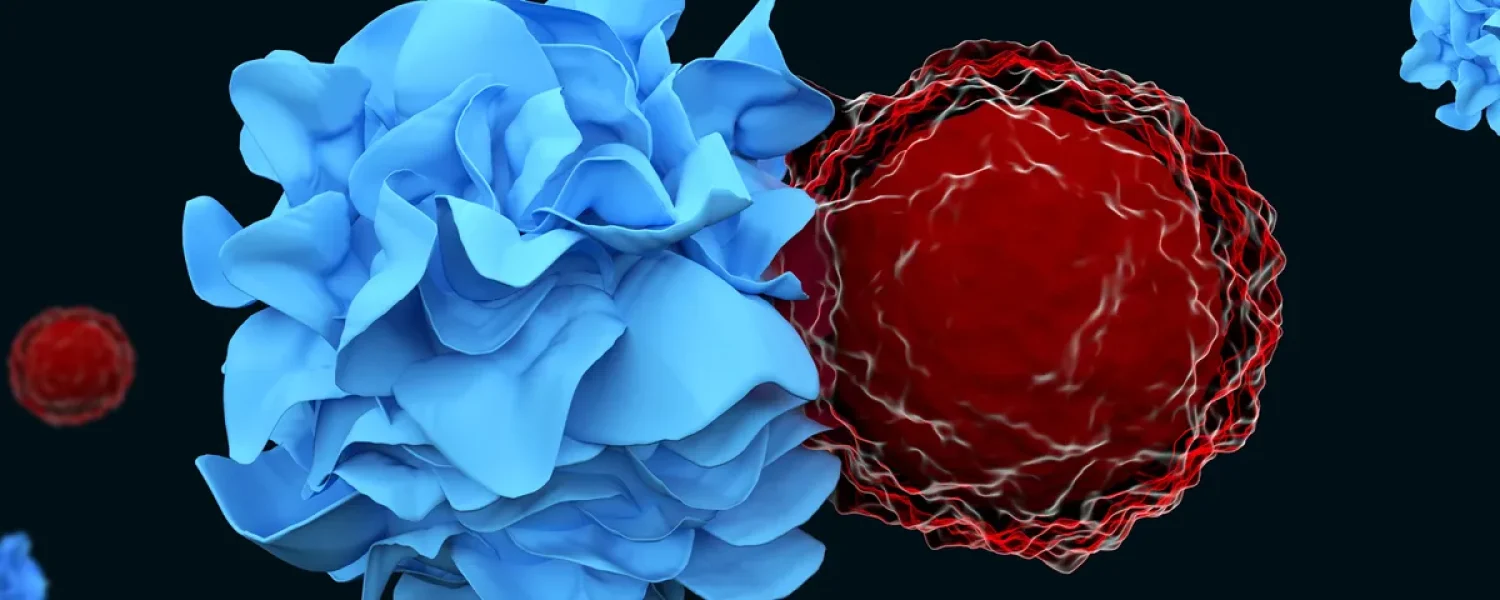
The immune system relies on a balance between inflammatory responses and regulatory T cells. Specifically, dendritic cells play a pivotal role in this process by presenting antigens to T cells. They provide the necessary signals to determine whether T cells become stimulatory or remain tolerant. Understanding Dendritic Cell Tolerance is vital for advancing modern immunotherapy and clinical research. Consequently, we focus on how this regulation impacts autoimmune studies.
The Role of EPO in Treg Activation and Dendritic Cell Tolerance
Research from Stanford University reveals a groundbreaking mechanism regarding immune regulation. Notably, the protein erythropoietin (EPO), primarily known for red blood cell production, also triggers dendritic cells to adopt a tolerogenic phenotype. This process directly promotes Treg development. Furthermore, the findings published in Nature provide profound new insights into transplantation and cancer therapies. Accurate sample separation is essential when studying these complex pathways.
Experimental Mechanisms and Clinical Research Implications
The team developed a mouse model to study Dendritic Cell Tolerance in transplantation. By depleting immune cells and introducing mismatched bone marrow, they observed how dendritic cells facilitate immune acceptance. Additionally, deleting the EPO receptor (EPOR) reversed this effect, leading to marrow rejection. Therefore, these findings confirm that EPOR expression is a key trigger for immune regulation. Modern labs rely on precise equipment like our thermostatic systems to maintain strict conditions for such cellular experiments.
Future Prospects in Immunotherapy
This breakthrough presents a dual opportunity for clinicians. Researchers can potentially induce tolerance to treat autoimmune diseases or trigger immune responses against tumors. LVDALAB remains dedicated to providing high-quality tools for this field. For technical standards on cell research, consult the industry experts at Nature Research. If you need technical guidance for your clinical lab, please contact our support team today.