
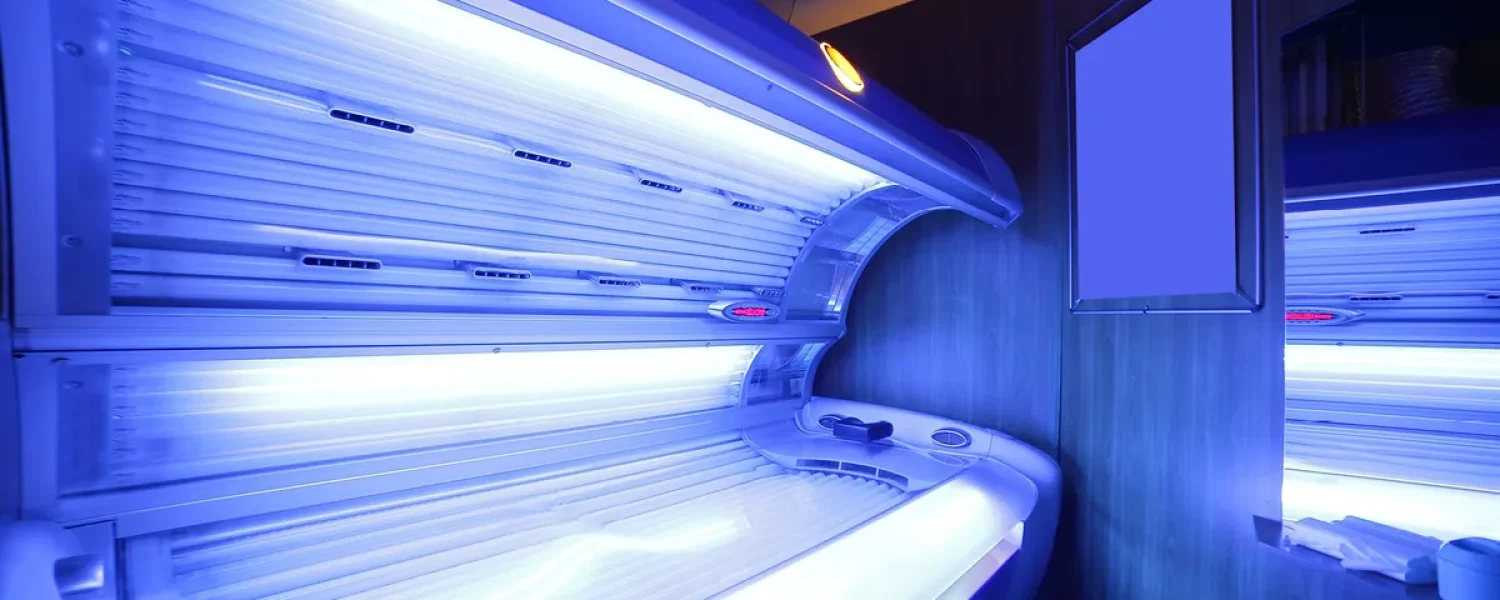
Melanoma Research is evolving rapidly as scientists uncover the molecular impacts of lifestyle choices on skin health. Tanning beds have long been popular for achieving a sun-kissed glow, but mounting evidence links indoor tanning usage to skin cancer. Specifically, the World Health Organization classifies sunbeds as carcinogens. Consequently, understanding the molecular toll these devices take on melanocytes is essential for preventive dermatology.
Molecular Insights from Recent Melanoma Research
In a recent study published in Science Advances, researchers elucidated the molecular differences between tanning bed users and non-users. Notably, those who used tanning beds showed a higher mutation burden in their melanocytes. Furthermore, the study revealed 40 pathogenic mutations linked to tumor-suppressor gene disruption. Therefore, this breakthrough in Melanoma Research provides a new foundation for studying cancer immunotherapy and autoimmune diagnostics. Advanced laboratory analysis of these cellular mutations often requires precise equipment, such as our vertical refrigerated circulating baths for stable incubation.
Comparing Mutation Patterns
The research team formed two cohorts of nearly 3,000 individuals to analyze these patterns. Specifically, they found that tanning bed users were more likely to develop multiple melanomas on parts of the body typically hidden from sunlight, such as the torso. Additionally, single-cell genotyping confirmed that tanning beds affect a broader range of skin cells than natural sunlight. If you are conducting similar cellular experiments, our high-precision centrifuges ensure the consistent sample processing required for such sensitive genomic investigations.
Conclusion: Implications for Public Health
These findings reveal significant differences between artificial UV radiation and natural light. Ultimately, further work is required to explore these molecular changes. In conclusion, LVDALAB is proud to provide the essential laboratory consumables required to support the global community of oncology researchers. You can review the full study at Science Advances.